
What Is an Engineered Septic System? Everything Property Owners Need to Know
When most people think about a septic system, they picture a basic tank and drain field buried in the yard. But not every property has the soil conditions, space, or terrain needed for a conventional system. That’s where engineered septic systems come in.
An engineered septic system is a specially designed wastewater treatment system created for properties where a standard septic setup will not work properly or legally. These systems are customized based on soil conditions, lot size, water tables, slopes, and local health department requirements.
Why Would Someone Need an Engineered Septic System?
Several factors can prevent a traditional septic system from being approved:
Poor soil absorption
High water table
Rocky ground
Small lot sizes
Steep slopes
Properties near lakes, rivers, or wetlands
Failed perc tests
In these situations, an engineered system helps safely treat and disperse wastewater while protecting the environment and nearby water sources.
Common Types of Engineered Septic Systems
There are several types of engineered systems, depending on the property's needs:
Aerobic Treatment Units (ATUs)
These systems add oxygen to help break down waste more efficiently than conventional septic systems.
Drip Irrigation Systems
Wastewater is distributed slowly through shallow drip tubing across a large area.
Low Pressure Pipe (LPP) Systems
These use pumps to evenly distribute wastewater through small pipes in the drain field.
Mound Systems
Used when soil conditions are poor or groundwater is too high. Sand and fill material are added above ground level to create a safe treatment area.
Sand Filter Systems
Wastewater passes through a sand filter before entering the drain field, improving treatment quality.
The Importance of Soil Testing and Design
Every engineered septic system starts with proper site evaluation and soil testing. A perc test and soil analysis help determine:
How quickly water absorbs into the ground
Seasonal water table levels
Soil composition
Suitable drain field locations
From there, a licensed designer or engineer creates a system specifically tailored to the property.
Are Engineered Systems More Expensive?
In most cases, yes. Engineered systems typically cost more upfront than conventional systems because they involve:
Advanced design work
Specialized equipment
Pumps or treatment components
Additional permitting and inspections
However, they often make otherwise unusable property buildable and can prevent costly environmental or drainage problems in the future.
Maintenance Matters
Unlike basic septic systems, many engineered systems require routine maintenance and inspections to keep them operating properly. This may include:
Pump inspections
Filter cleaning
Aerator servicing
Annual inspections
Monitoring alarms and controls
Regular maintenance helps extend the life of the system and avoid expensive repairs.
Choosing the Right Septic Professional
Installing an engineered septic system is not a DIY project. Working with experienced septic designers, soil scientists, and installers is critical to making sure the system meets local regulations and functions correctly for years to come.
If your property has challenging soil conditions or failed a perc test, an engineered septic system may be the solution that allows you to move forward with construction safely and legally.
Why Land Surveying Should Come Before Any Property Improvements
Before you build a fence, add a driveway, install a shop, or start clearing land, there’s one step that can protect you from costly mistakes:
A professional land survey.
At Hare Engineering, we’ve seen too many property owners invest in improvements — only to discover later that something was built over a boundary line, easement, or setback. A survey before construction prevents those problems before they start.
Know Exactly What You Own
Property lines are not always where you think they are.
Old fence lines, tree rows, or “where the neighbor said the line was” are not legally reliable references. A land survey clearly defines:
Boundary lines
Property corners
Acreage
Encroachments
Easements
When you know your true boundaries, you build with confidence.
Avoid Costly Encroachment Issues
Building over a property line can lead to:
Legal disputes
Forced removal of improvements
Expensive attorney fees
Strained neighbor relationships
A survey ensures your improvements stay entirely on your property.
Identify Easements Before You Build
Utility easements often run across properties — sometimes in places that seem buildable.
If you construct within an easement area, you may be required to remove it if access is ever needed. A survey identifies:
Utility easements
Drainage easements
Access easements
Right-of-way areas
That knowledge protects your investment.
Protect Your Future Plans
Planning a shop today? Adding a pool later? Installing a septic system down the road?
A survey helps you understand:
Available buildable area
Setback requirements
Slope and topography considerations
Space for future expansion
Strategic planning today prevents redesign tomorrow.
Survey First. Build Second.
Land improvements are exciting — but correcting mistakes is expensive.
Before making improvements, ask yourself:
Do you know exactly where your property lines and restrictions are?
Hare Engineering provides professional land surveying services to ensure your project starts on solid ground.
Contact us today to schedule a survey and move forward with confidence.
Understanding Soil Classification and Why It Matters for Your Property
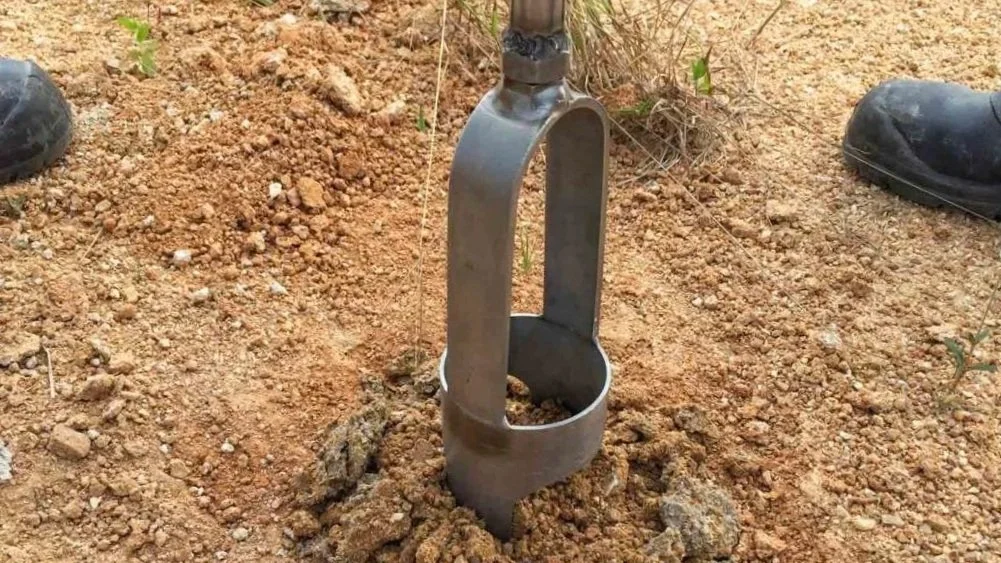
When planning construction, installing a septic system, or preparing land for development, one of the most important — and often overlooked — factors is soil classification. The type of soil on your property directly impacts drainage, stability, and overall project success.
At Hare Engineering, we evaluate soil conditions to ensure your project starts on a solid foundation.
What Is Soil Classification?
Soil classification is the process of identifying and categorizing soil based on its physical properties. These properties include:
Texture (sand, silt, clay content)
Structure
Drainage capability
Density and compaction
Plasticity (how the soil behaves when wet)
Engineers commonly reference systems such as the Unified Soil Classification System (USCS) to determine how soil will perform under specific conditions.
The Main Types of Soil
While soil can vary greatly even within a single property, it generally falls into a few main categories:
1. Sandy Soil
Drains quickly
Low water retention
Easy to compact
May lack stability without reinforcement
2. Silty Soil
Smooth texture
Moderate drainage
Can become unstable when saturated
3. Clay Soil
Poor drainage
Expands when wet and shrinks when dry
High plasticity
Requires careful engineering consideration
4. Loam
Balanced mix of sand, silt, and clay
Ideal for many applications
Typically offers good drainage and stability
Why Soil Classification Is Important
Septic System Design
Soil type determines how wastewater filters and drains. Clay-heavy soils may not drain efficiently, while sandy soils may drain too quickly. Proper classification ensures the system functions safely and meets regulatory standards.
Perc Testing
Percolation (perc) tests measure how quickly water moves through soil. Soil classification helps interpret those results accurately and determine the correct septic design.
Foundation & Site Planning
Soil conditions affect load-bearing capacity and long-term stability. Certain soils may require additional preparation, compaction, or engineered solutions before construction begins.
Erosion & Drainage Control
Understanding soil helps prevent erosion problems and improper runoff that can damage structures or neighboring properties.
Soil Conditions Can Change Across a Property
One important fact many property owners don’t realize is that soil composition can vary significantly within a short distance. A backyard may have entirely different soil characteristics than the front lot.
That’s why professional evaluation is critical before making major construction or septic decisions.
Working With Professionals
At Hare Engineering, we combine over 20 years of experience in land surveying, site planning, perc testing, and septic system design. Our team evaluates soil conditions carefully to ensure your project is compliant, stable, and built to last.
Before you break ground, make sure you understand what’s beneath it.
If you’re planning a project and need soil evaluation, perc testing, or site planning assistance, contact Hare Engineering today.